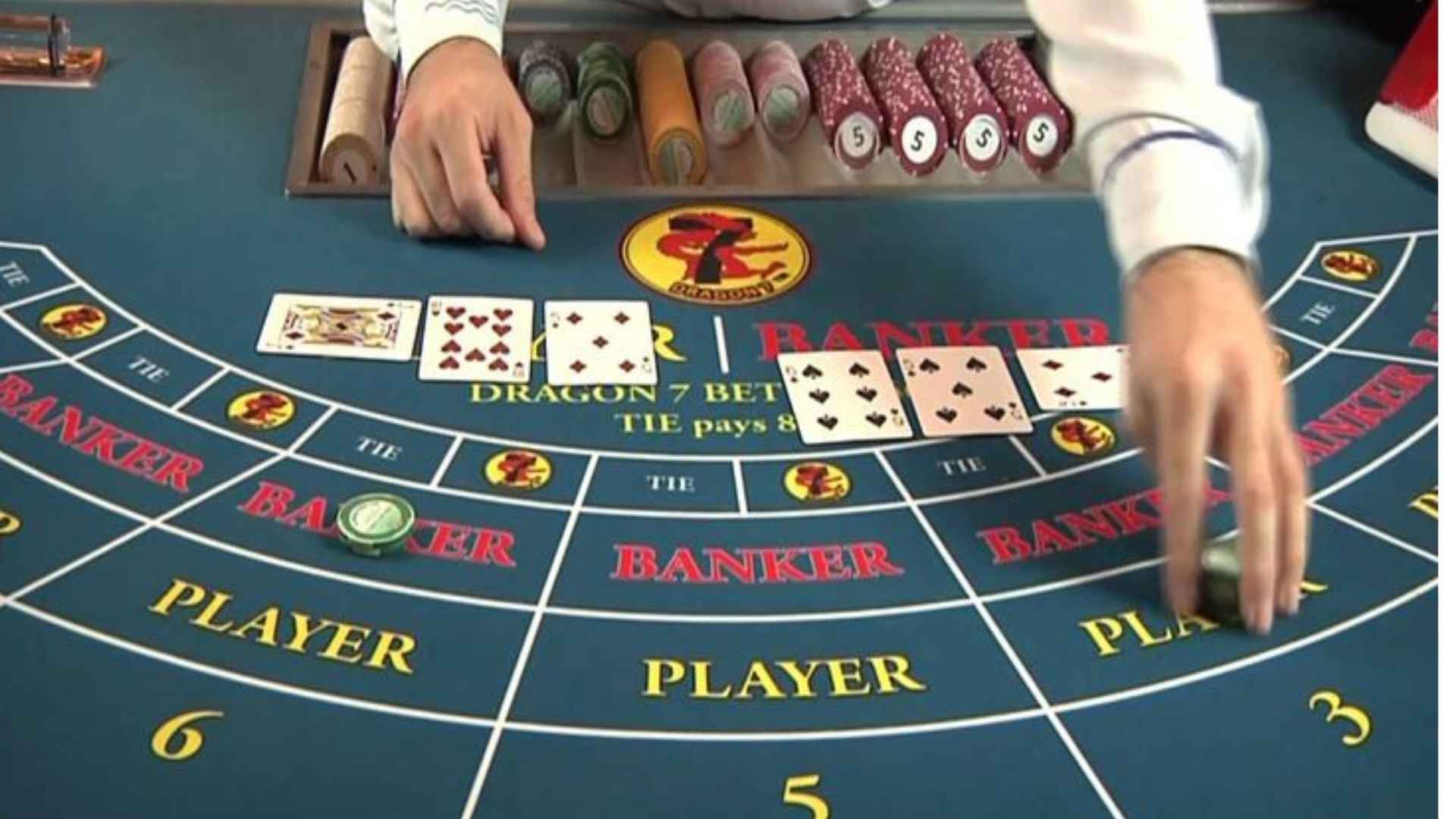
Baccarat has journeyed through centuries of cultural shifts, transforming from an aristocratic European pastime into a diverse staple of global gaming. As the game migrated across oceans and continents, different societies adapted its structure to fit their localized lifestyle preferences and social values. By tracking these distinct rule modifications, enthusiasts can gain a deeper appreciation for how regional identity continues to shape the contemporary table experience.
The European Legacy of Elite Sociability
In its earliest French variations like Chemin de Fer, baccarat functioned primarily as an interactive social ritual for the ruling classes. The rules required participants to actively take turns financing the bankroll and making strategic decisions regarding when to draw a third card. This traditional framework mirrored the aristocratic emphasis on personal accountability, psychological wit, and direct peer engagement within formal private salons.
As gaming moved into public establishments, Baccarat Banque emerged to accommodate a more rigid institutional preference for structured, long-term capital management. The role of the banker became a permanent position, allowing high rollers to execute complex tactical setups across two separate sides of the table simultaneously. This preference for ceremonial pacing and extensive mathematical strategy continues to influence traditional European table procedures today.
The American Transition to Mass Accessibility
When the game arrived on American casino floors, it underwent a major structural overhaul known as Punto Banco to suit a culture focused on speed and efficiency. The element of choice was entirely removed from the card distribution, turning all strategic moves into predetermined automated actions. This transition shifted the table dynamic from an intense psychological duel into a straightforward game of pure probability.
By eliminating complex rule barriers, operators successfully democratized the table experience for a broader audience of everyday entertainment seekers. Casual players can now navigate the gameplay seamlessly by completing their m88 login and selecting virtual standard formats from any device. This modern American focus on streamlined interfaces has established a blueprint for international digital gaming spaces.
The Asian Integration of High Stakes Efficiency
In major Asian gaming hubs like Macau, baccarat was further modified to reflect a cultural deep-seated respect for fast pacing, collective energy, and sensory engagement. Variations like Mini Baccarat gained massive traction by utilizing smaller table layouts that maximize the volume of hands completed per hour. The faster tempo accommodates modern lifestyle trends where participants seek immediate feedback and consistent mental agility during short sessions.
Furthermore, unique card handling rituals like the squeeze were integrated to give players a tangible connection to the cards without altering the automated rules. This structural hybrid blends classic mathematical precision with a vibrant, high-energy atmosphere that emphasizes shared luck among participants. Ultimately, the global expansion of these diverse formats demonstrates that the evolution of table games remains intimately tied to societal values.