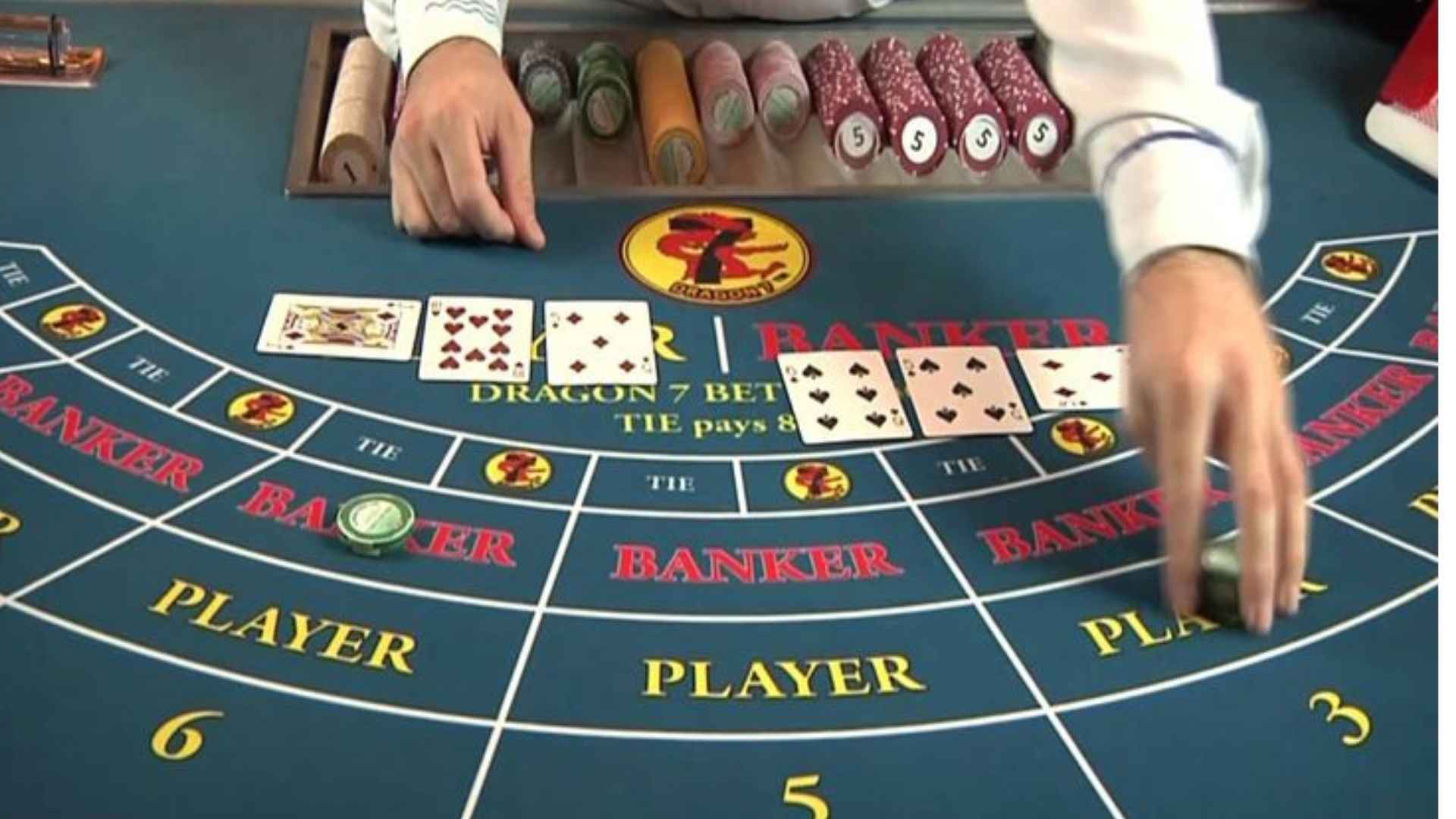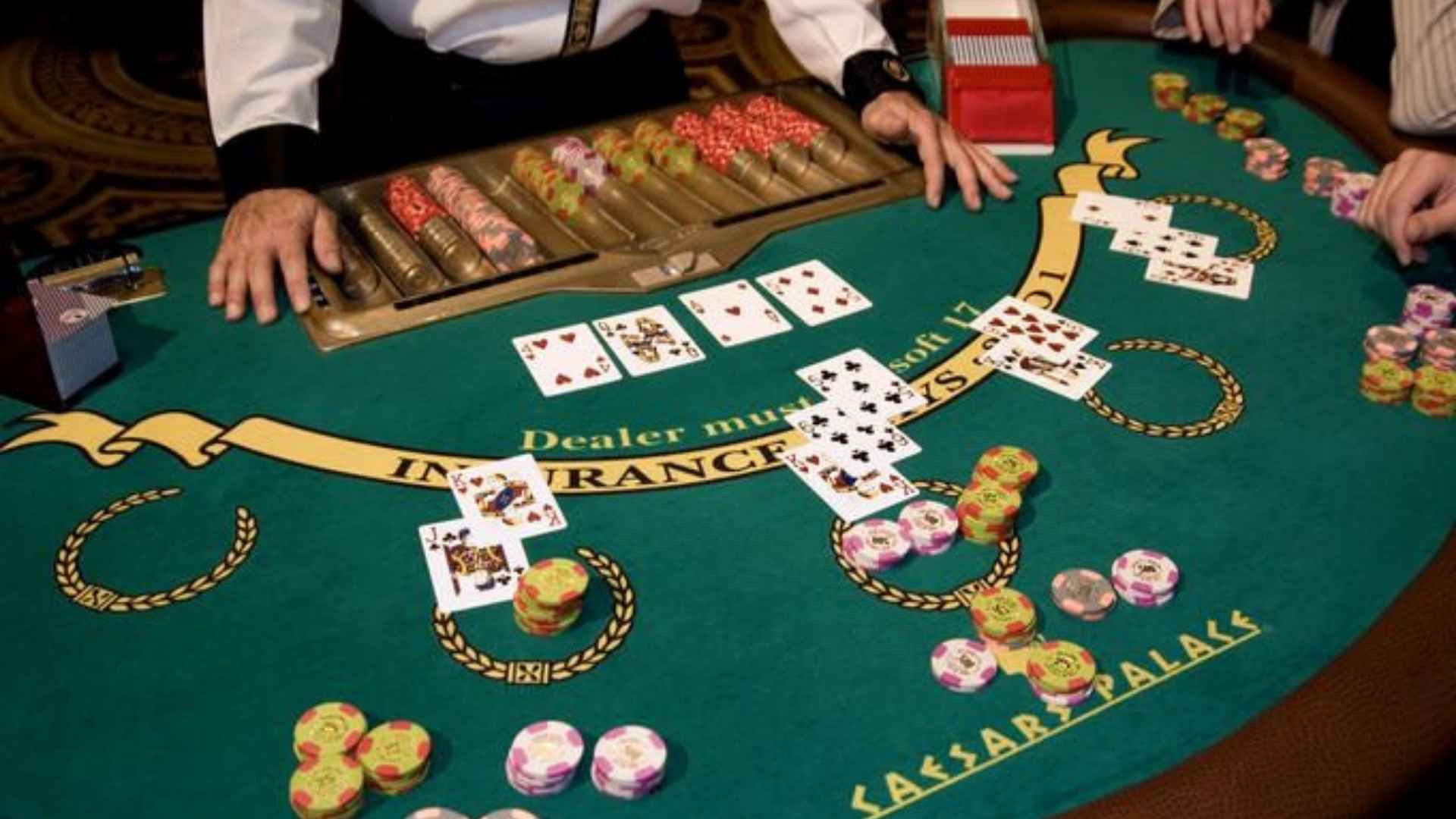
Table games have long served as a micro-ecosystem for intellectual growth, requiring participants to balance short-term opportunities with long-term security. Unlike purely luck-based entertainment, options that emphasize strategic balance compel players to evaluate varying risks while maintaining emotional stability. Exploring these structured dynamics reveals how modern tabletop gaming cultivates sharp decision-making practices useful well beyond the game board.
The Dual Importance of Risk and Defense
Achieving victory in complex tabletop setups requires an equal appreciation for aggressive advancement and careful defense. Players who focus entirely on scoring opportunities often leave their positions exposed to counter-tactics from observant opponents. Conversely, an overly defensive posture limits potential growth and allows competitors to dictate the overall tempo of the session.
Mastering this delicate equilibrium teaches participants to analyze the board configuration dynamically before committing their resources. By constantly weighing potential rewards against immediate vulnerabilities, players build a more sustainable path toward long-term success. This analytical mindset is highly transferable to everyday scenarios that demand measured, multi-layered planning.
Probability Versus Intuition in Card Play
Many traditional card tables provide an excellent arena for testing mathematical probability against psychological intuition. Participants must accurately calculate their odds of completing a specific combination while simultaneously reading the subtle behavioral cues of others. Relying too heavily on either numbers or instinct can quickly disrupt a player's momentum.
Developing a reliable framework requires consistent practice and exposure to diverse tactical scenarios across different platforms. For individuals seeking a trusted venue to refine their personal approaches, utilizing options like M88id offers access to a broad variety of strategic interfaces. Maintaining steady emotional control during these sessions ensures that logic always guides your next major tactical decision.
Cognitive Benefits of Balanced Mechanics
Engaging regularly with skill-based table games acts as a comprehensive workout for the human mind. The requirement to constantly anticipate an opponent's next several moves strengthens spatial reasoning and improves working memory. Over time, players become highly adept at recognizing patterns and adjusting their strategies to unexpected variables.
Furthermore, these activities foster patience and resilience by demonstrating that a single hasty choice can undo rounds of meticulous preparation. Learning to recover from tactical setbacks without losing focus is perhaps the most valuable cognitive asset developed through gaming. This mental flexibility helps individuals remain calm and objective when facing complex issues in professional or personal life.
Creating Sustainable Gaming Habits
The ultimate form of balance in table gaming involves managing your personal resources and time effectively. Seasoned participants view these activities as a structured form of paid recreation rather than a guaranteed method for generating revenue. Establishing a strict entertainment budget beforehand ensures that the experience remains entirely positive and educational.
By treating each session as an opportunity to study human behavior and decision theory, players maximize the intrinsic value of the game. Approaching the table with a structured plan and a desire for cognitive growth transforms simple leisure into a deeply rewarding exercise. Ultimately, the lessons learned through strategic balance pave the way for a more confident and analytical lifestyle.