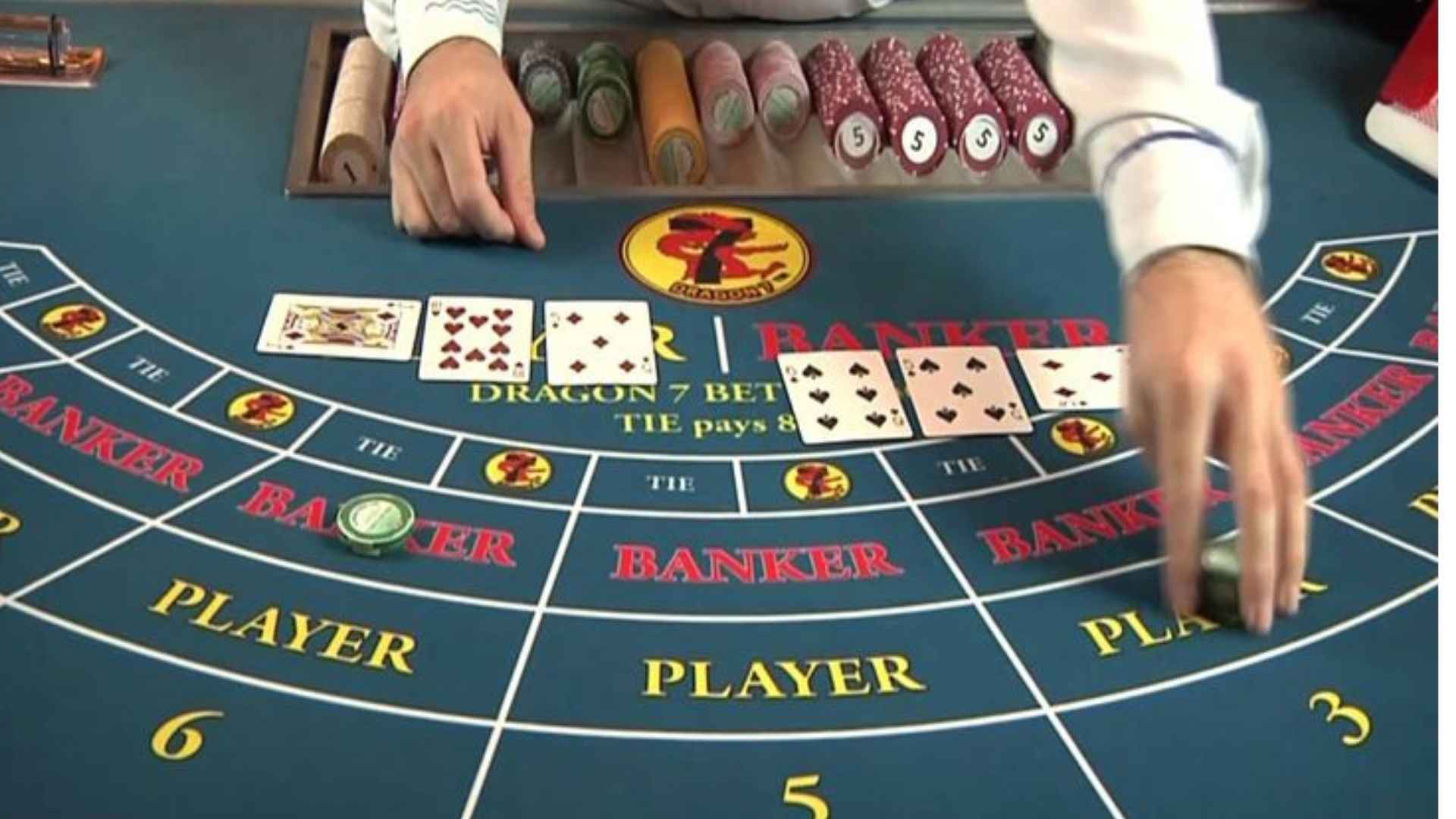
The cultural reputation of baccarat as an elite and highly sophisticated game is deeply tied to its historical origins within the upper echelons of European society. Long before it became a fixture on contemporary casino floors, this fascinating card game was played in private salons and royal courts, establishing a legacy of luxury. Understanding how this elite association formed provides critical insights into why the game still carries an unmistakable aura of exclusivity today.
The Royal Foundations and Aristocratic Salons
Baccarat first gained significant cultural traction when it transitioned from Italy into the French royal courts during the reign of King Charles VIII. The nobility quickly adopted the pastime, turning it into an exclusive social ritual that separated the ruling class from the general public. This early adoption ensured that the game became structurally associated with wealth, prestige, and high-society mannerisms from its very beginning.
During the nineteenth century, before casino gambling was widely commercialized and legalized, the French aristocracy gathered in secluded private gaming rooms to play early variations like Baccarat Banque. These weekly events were tightly regulated by unwritten social codes where reputation and status dictated table entry. The visible connection between the players and their immense financial freedom permanently shaped how the public perceived the game's identity.
The Architectural Separation of High Stakes Play
As gambling moved into public casinos across Europe, gaming houses deliberately preserved the elite reputation of baccarat by altering their physical layouts. Establishments created private rooms and secluded alcoves, often known as the Salle Privée, specifically to cater to high-society patrons who demanded privacy. This physical segregation meant that casual visitors could only observe the drama from a distance, reinforcing the perception of an inaccessible, prestigious world.
The deliberate design choices of traditional casinos served to elevate the psychological stakes, transforming a simple card comparison into a theatrical display of status. High rollers and affluent patrons dressed in formal attire, which added an element of glamour that other tabletop games rarely commanded. This elite environmental framing ensured that baccarat remained culturally distinct, even as other casino offerings transitioned toward mass entertainment formats.
The Transition Into Modern Entertainment Platforms
The enduring legacy of high-society influence continues to shape how modern players interact with the game across global entertainment markets. Pop culture, particularly through iconic cinematic depictions like the James Bond franchise, has continuously reinforced the idea that baccarat is the ultimate game for sophisticated minds. This media portrayal successfully bridges the gap between historical aristocratic customs and contemporary consumer desires.
Today, contemporary digital platforms utilize advanced software to bring the classic elegance of traditional high-stakes tables directly to a broader audience worldwide. Modern enthusiasts looking to experience these refined variations can easily access platforms like m88 to explore interactive versions of the game. This technological shift preserves the core mathematical rules and sophisticated pacing while removing the restrictive social boundaries of the past.
The Lasting Cultural Value of Elite Associations
While modern casinos have successfully democratized baccarat by offering lower stakes and casual formats, the underlying image of the game remains tied to luxury. The historical influence of high society functions as a powerful branding mechanism that continues to attract players who appreciate tradition. This enduring allure explains why the game maintains its unique prestige, even in a fully digital era.
Ultimately, examining the history of baccarat reveals that its reputation was carefully cultivated through centuries of elite patronage and architectural exclusivity. By recognizing how royal courts and private French salons shaped its early identity, modern players can better appreciate the structural elegance of every round. The relationship between high society and baccarat stands as a testament to how cultural history can permanently elevate a simple game into a lasting symbol of sophistication.